
What Is Interior Design? A Practical Definition
Interior design is the practice of planning and shaping the inside of a building so it works for the people who use it and looks considered while it does. It sits between art and engineering — part aesthetic judgement, part space planning, part knowledge of how a building actually goes together.
It is easy to reduce that to “choosing furniture and colours,” but a good interior designer is closer to a translator: turning how a household or business actually lives and works into a floor plan, a material palette, and a lighting design that supports it — not the other way round.
In a market like Singapore, where most homes work with a fixed and often compact footprint, that translation matters even more. Interior design here is as much about making a space earn its square footage as it is about how the space looks.
Key Takeaways
- Interior design combines aesthetic judgement with technical space planning
- It is distinct from architecture, though the two disciplines constantly overlap
- Good interior design starts from how people actually use a space, not a mood board
- The core elements are space planning, material and lighting design, and functionality
- In Singapore, interior design carries the added constraint of a fixed structural footprint
- The field spans residential, commercial, and hospitality work, each with different priorities
Defining Interior Design: Where Art Meets Planning
Interior design is not decorating, and it is not architecture — though it borrows from both. Decorating is largely about surface: colour, furniture, finishing touches. Architecture is largely about structure: what a building can physically hold and where. Interior design sits in between, working within a building’s structure to shape how the space inside it is actually used, felt, and lived in.
Where interior design actually shows up
Interior design isn’t limited to homes. The same discipline — planning a space around how it will be used, then shaping the aesthetics around that plan — applies across very different settings:
- Residential homes — HDB flats, condominiums, and landed properties
- Retail and office interiors
- Hotels, restaurants, and other hospitality spaces
- Institutional spaces such as schools and healthcare facilities
Key Elements: Space Planning, Aesthetics, and Functionality
Good interior design rests on three things working together, not competing:
- Space planning — how rooms connect, how people move through them, and whether the layout actually fits how the space will be used
- Aesthetics — the material palette, colour, texture, and lighting design that give a space its character
- Functionality — whether the finished space actually does what the people using it need it to do, day to day
Colour and material choices genuinely change how a room feels — cooler tones tend to read as calmer, warmer tones as more energising — but the more consequential decisions in interior design happen earlier, in the space planning, before a single colour is chosen.
The Role of an Interior Designer
An interior designer’s actual scope of work covers more ground than most people expect: developing a design concept, producing space plans and material specifications for furniture and furnishing, assessing the physical site, and coordinating with the contractors and tradespeople who build the design out. Many interior designers now use computer-aided design tools to visualise a space before construction begins. In firms that also handle the build — as we do — the designer stays involved through construction, not just up to the point of a rendered proposal.
The role keeps shifting too. Sustainability, wellness-oriented design, and smart-home integration are now standard considerations on most residential briefs, not optional extras — which means an interior designer today needs to understand construction and technical detail as much as aesthetics.
A Brief History of Interior Design
People have shaped the interiors of their homes for as long as there have been homes — from painted cave walls to the deliberate symbolism of Ancient Egyptian interiors, through the ordered symmetry the Greeks and Romans favoured. For most of that history, interior design was inseparable from architecture and largely reserved for the wealthy.
It only became its own recognised profession a little over a century ago, once early practitioners moved from being called an interior decorator — a title focused on furnishing, drapes and upholstery — to the technical, standards-based interior designer role we recognise today. From there it moved through Modernism’s “form follows function,” into the wellness- and sustainability-led priorities that shape a lot of residential design today. (We cover this in more depth in our full history of interior design, and how the underlying principles of interior design still apply.)
Interior Design Across Sectors
The priorities shift depending on what the space is for:
- Residential design centres on how a household actually lives — storage, routine, and increasingly, open-plan layouts that make a compact footprint feel larger
- Commercial design centres on how a business operates — customer flow, staff workflow, and a space that reflects the brand
- Hospitality design centres on first impression and guest experience, without losing sight of back-of-house function
How We Approach It at IS Design Studio
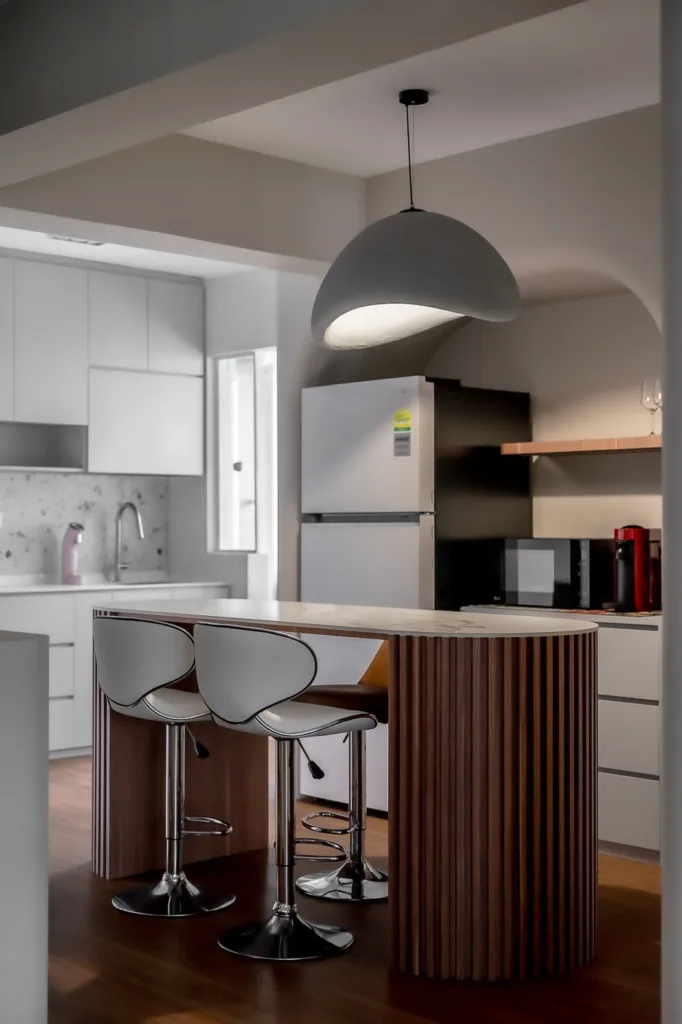
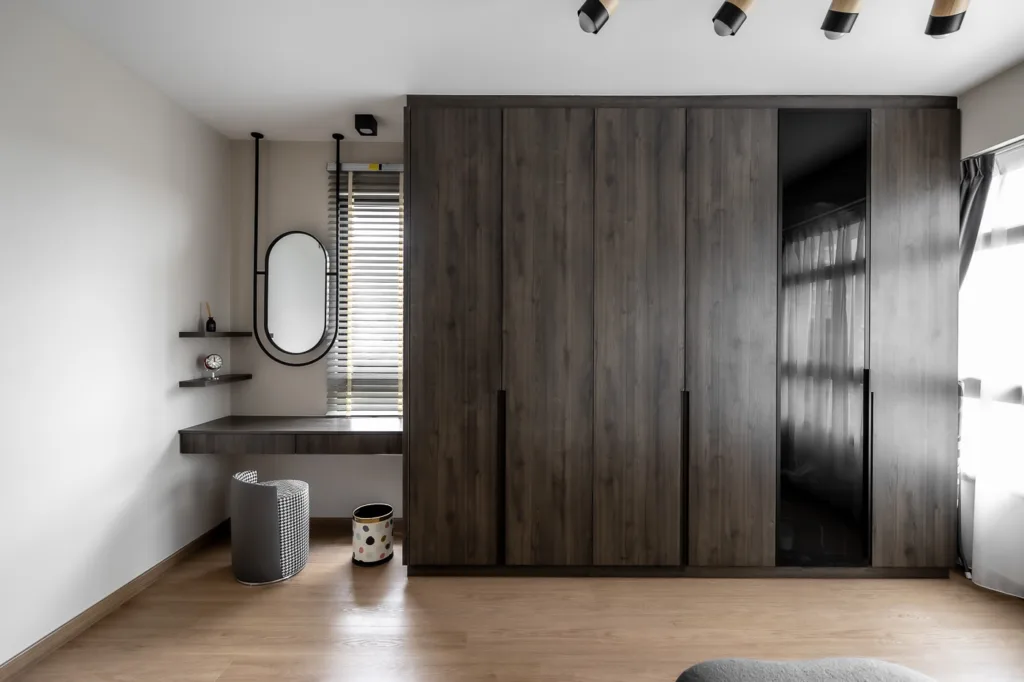
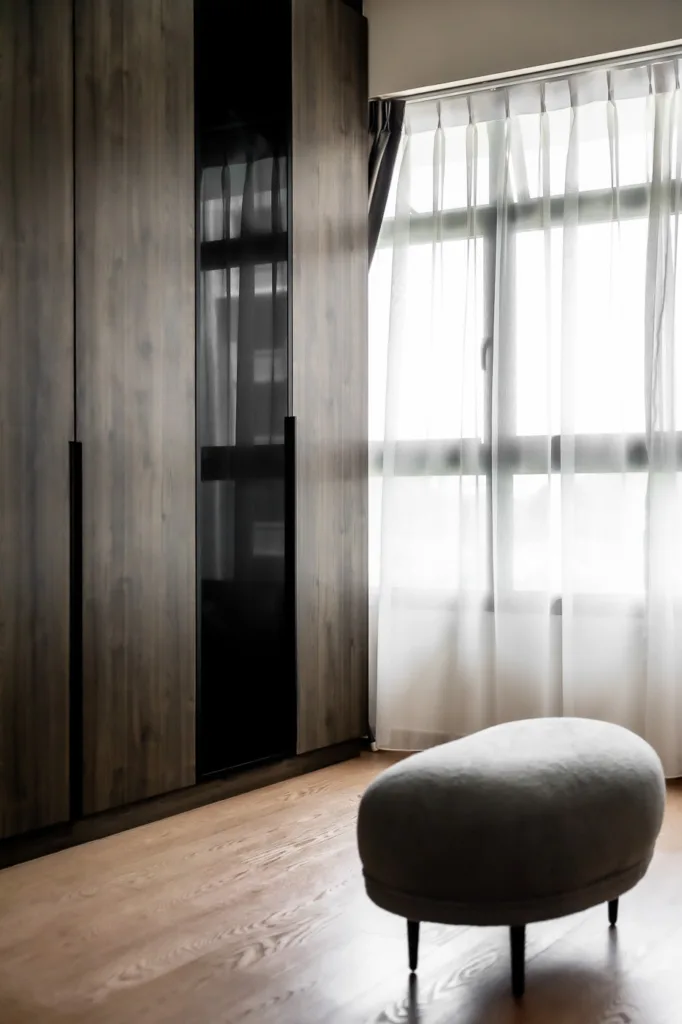
At 38C Eunos Road 2, the HDB flat pictured throughout this article, the brief was ordinary in the best sense: a family wanted their existing footprint to work harder, not to be recreated as a showroom. Space planning came first — the kitchen island, the bedroom storage, the layout of each room — and the material choices (dark timber, warm lighting, considered joinery) were selected to support that plan, not decorate around it.
That is the same order of operations we apply on every project, residential or commercial: a proper site assessment before any design decision, space planning before material selection, and construction carried through by our own fabrication factory so the design that gets approved is the one that actually gets built. We are a licensed HDB renovation contractor (HDB licence HB-12-6290F), and that discipline is reflected in our Google reviews from homeowners in Singapore.
FAQ
What is interior design?
Interior design is the practice of planning and shaping the inside of a building to suit how it will be used, combining space planning, material and lighting choices, and an understanding of construction to create a space that is both functional and considered.
What are the key elements of interior design?
Space planning, aesthetics, and functionality. Space planning determines how a room is laid out and how people move through it; aesthetics covers material, colour and lighting design; functionality is whether the finished space actually serves the people using it.
What is the difference between an interior designer and an architect?
An architect is typically responsible for a building’s structure — the shell, load-bearing elements, and compliance with building regulations. An interior designer works within that structure to plan and finish the space inside it. On projects involving structural changes, the two roles usually work together.
What is the historical significance of interior design?
Interior design has been practised in some form since ancient Egyptian and Roman times, but only became a distinct profession, separate from architecture, in the early 20th century. Its history shows a steady shift from decoration reserved for the wealthy to a discipline concerned with how ordinary people actually live and work.
What are the different sectors of interior design?
The main sectors are residential (homes), commercial (offices and retail), and hospitality (hotels and restaurants). Each has different priorities, but all rest on the same core discipline of planning a space around how it will be used.
Why does sustainability matter in interior design today?
Material choices and construction methods have a real environmental footprint, and homeowners increasingly want spaces that are healthier to live in as well as better for the environment. Sustainability has moved from a niche preference to a standard consideration in most residential and commercial briefs.
Continue exploring our interior design portfolio or loft design in Singapore.
Related: choosing an interior design firm in Singapore, and honest renovation cost ranges.