Introduction
Standing under a double-height ceiling and looking up at all that air can feel like facing a blank canvas. The bones and light are there, yet the space still feels unfinished. A luxury loft conversion in Singapore turns that tall shell into a home that works hard and feels deeply personal. Our guide, Luxury Loft Conversion Singapore: A Modern 2026 Design Guide, grows from this idea.
At IS Design Studio, we wear two hats: a premier interior design firm and “The Loft Builder”. We work on lofts every day, so we know how to turn vertical volume into modern sanctuaries that feel refined, warm, and made for real life. For 2026, design is shifting away from cold, hard minimalism toward soft minimalism and warm luxury. Clean lines remain, but they sit beside rich textures, earth tones, and calm technology that fades into the background.
This guide shares how we think about every part of a high-end loft in Singapore, from layout and zoning to lighting, wellness, and materials. You will see how careful planning, thoughtful details, and the right team can turn a tall, empty space into a modern city retreat.
“The home should be the treasure chest of living.” — Le Corbusier
Key Takeaways
Warm luxury and soft minimalism define 2026 loft design in Singapore. Earth tones, layered textures, and gentle forms give large volumes a grounded, inviting feel instead of a cold, echoing one.
A successful luxury loft conversion in Singapore rests on spatial planning, light, and premium materials. High ceilings, compact floor plates, and tropical weather call for layouts and finishes that work well together.
IS Design Studio, known as “The Loft Builder”, specialises in high-ceiling homes. We read each site carefully, then design around the owner’s habits and character so lofts look impressive yet work smoothly every day.
Modern city life in 2026 needs multi-use rooms for work, rest, and play. We create hybrid areas where furniture and custom carpentry shift between office, lounge, and guest use without clutter.
Biophilic design, smart systems, and sustainable materials now sit at the heart of loft luxury. Plants, natural finishes, hidden technology, and eco-conscious products raise comfort, protect indoor health, and support long-term value.
What Makes a Luxury Loft Conversion Distinctive in Singapore’s 2026 Market
A true luxury loft conversion in Singapore feels very different from a quick makeover with a mezzanine and glass railings. Older industrial lofts leaned on exposed pipes and raw concrete that looked dramatic in photos but often felt harsh to live with. The new direction leans toward sophisticated urban sanctuaries that respect height and openness while adding warmth and better daily use.
We base our work on three main principles:
Sleek and chic modern aesthetics with clean lines, calm colours, and strong proportions that age well
Opulent comfort through plush seating, rich fabrics, and premium finishes that stand up to real-life use
Spatial harmony, using full height while keeping daily activities at a comfortable human scale
Singapore adds extra layers: humidity, strong sun, and compact floor areas. We choose materials that breathe and resist moisture, treat storage as part of the architecture, and lean toward warm, welcoming interiors with nature-inspired tones and a clear sense of order.
Our clients are design-aware homeowners, professionals, and investors who care about how a loft feels on a busy weekday as much as how it photographs. A well-resolved loft of this level improves rental appeal, raises perceived property value, and speaks to the expectations of affluent urban professionals.
How to Master the 2026 Color and Material Palette for Loft Luxury
Colour and material choices set the emotional tone of a loft long before furniture arrives. For 2026, cool grey-and-white schemes are giving way to warm, nature-inspired tones that feel grounded and soothing, especially in tall, open interiors—a shift documented in Modern Luxury Interior Design research examining contemporary Singapore aesthetics. For 2026, cool grey-and-white schemes are giving way to warm, nature-inspired tones that feel grounded and soothing, especially in tall, open interiors.
We often start with earthy base tones that suit Singapore’s warm light:
Soft beige, gentle taupe, and creamy off-whites
Ochre, caramel, clay, terracotta, and coffee-style browns
These hues wrap tall walls and long cabinetry in a subtle glow. We then add accent colours such as dusty sage, moss green, burnt orange, or deep clay to highlight reading nooks, art walls, or dining zones.
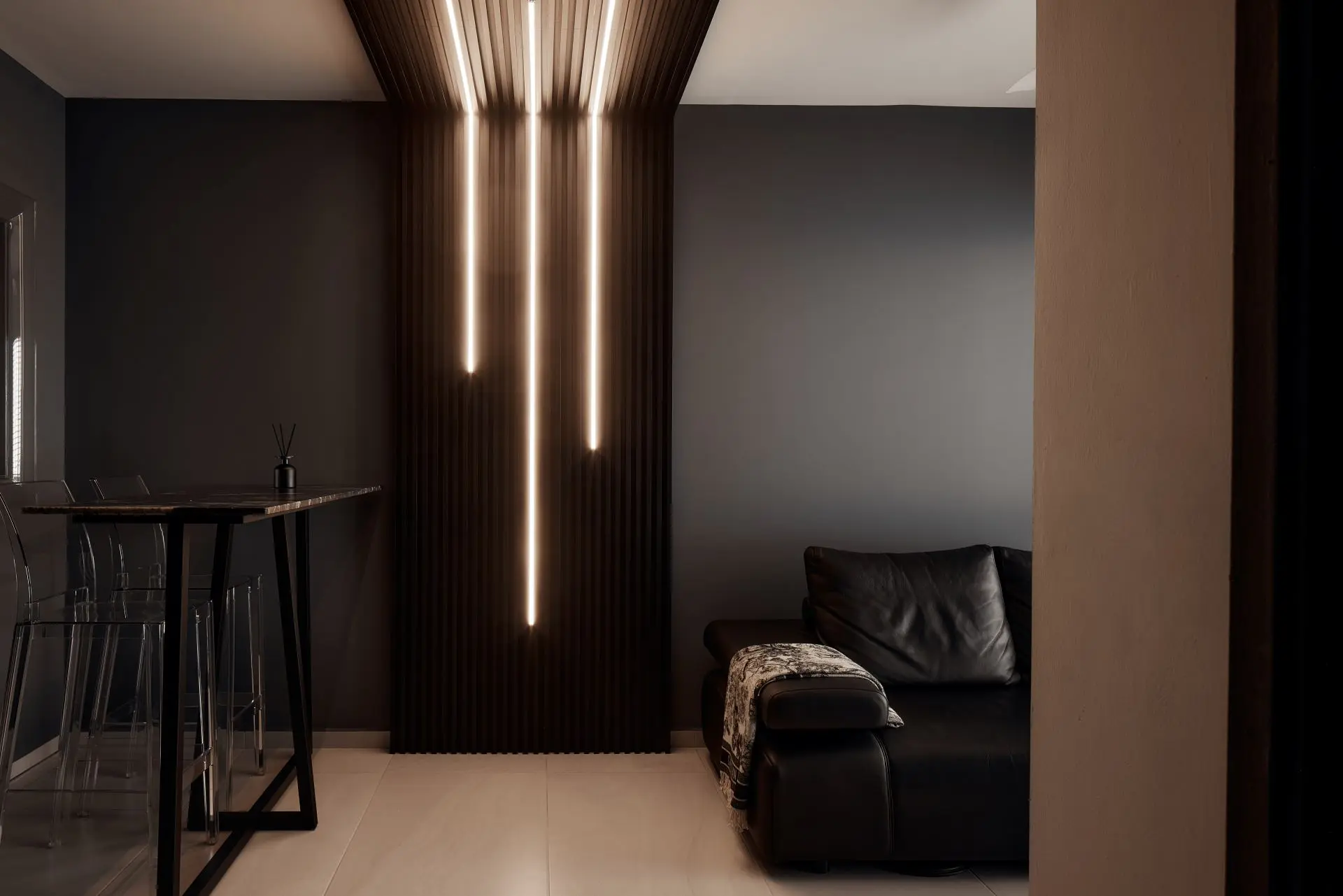
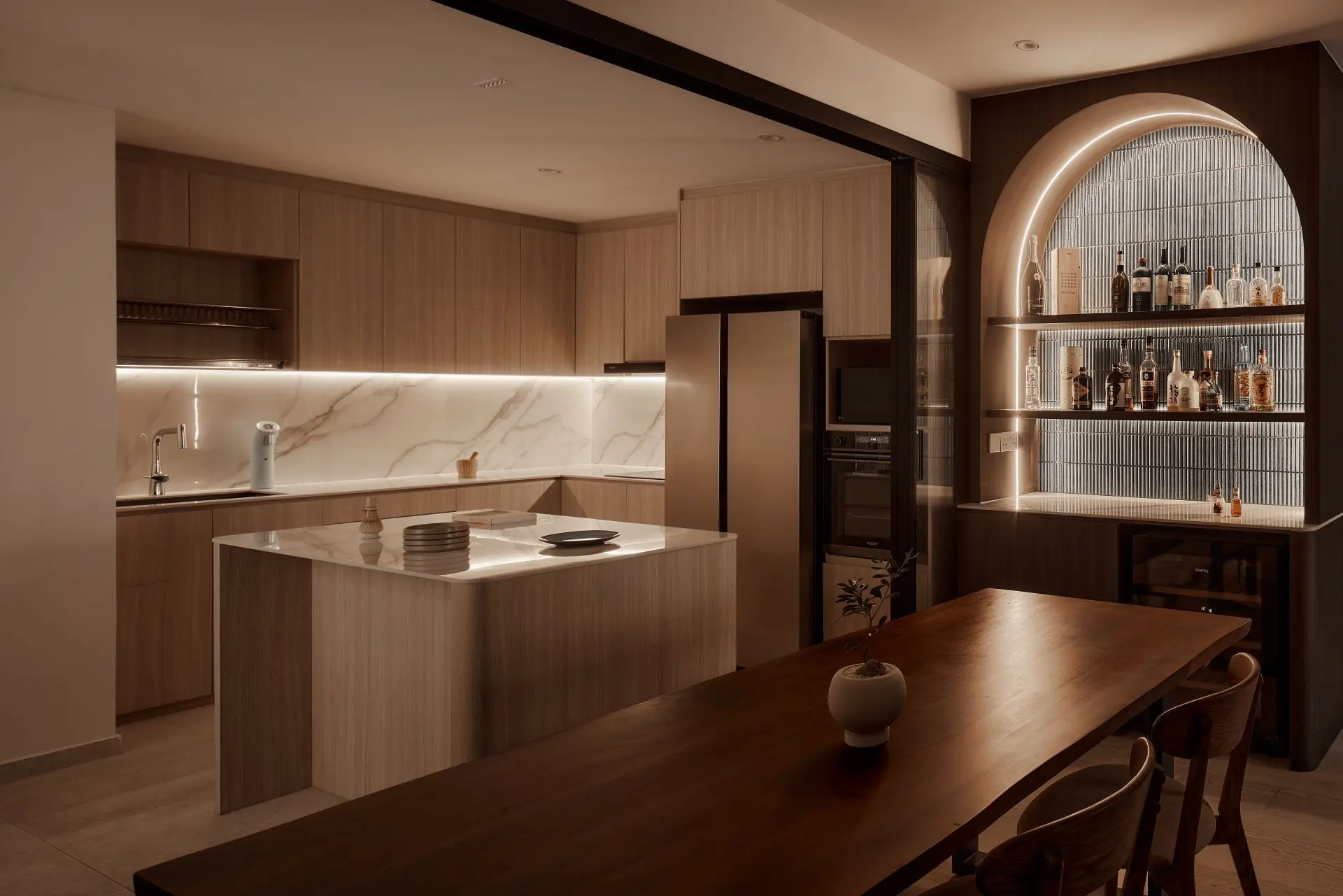
For metals, we now favour brushed gold, champagne, soft bronze, and aged copper over shiny chrome. They give a quiet shimmer on handles, tapware, and light fixtures without feeling cold. Material layering deepens the mood: light oak flooring, fluted wood panels, and natural or marble-look stone on islands and vanities all signal understated luxury.
Because Singapore is humid, we also rely on rattan and bamboo for cabinet inlays, chairs, and screens. Across cabinetry and some walls, matte finishes diffuse light, hide minor marks, and create a refined, modern feel that lasts beyond handover.
Why Spatial Planning Defines Loft Conversion Success
Beautiful finishes cannot rescue a loft that does not work well. Spatial planning decides whether a loft feels calm and intuitive or cluttered and awkward. High ceilings and open layouts look generous, but without a clear plan they often lead to dead corners, messy views, and uncomfortable circulation.
We treat each loft as a three-dimensional puzzle. The goal is to divide space into zones without heavy walls, so air and light still travel freely. We create visual boundaries using:
Furniture lines
Changes in floor finish
Ceiling forms and bulkheads
Carefully placed lighting
As “The Loft Builder” in Singapore, we study where natural light enters, which sides are noisy, and which views deserve framing. Only after setting living, dining, work, rest, and storage zones do we finalise loose furniture. This is vital for hybrid work patterns in 2026, where a loft may shift from video call to dinner party in one evening.
Thoughtful layouts also support resale and rental value. When soaring vertical space is balanced with comfortable human-scale zones, the loft feels both impressive and surprisingly easy to live in.
“Space is the breath of art.” — Frank Lloyd Wright
Smart Zoning Techniques for Open-Concept Loft Living
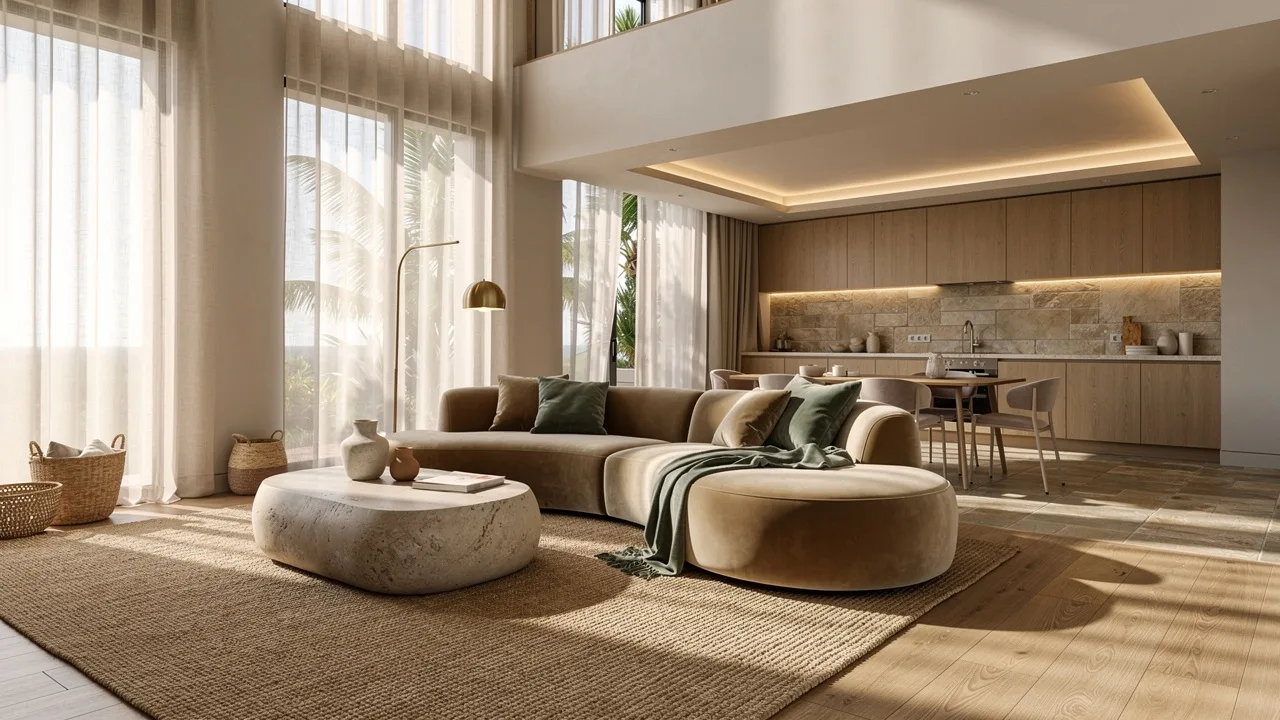
Once the overall plan is set, zoning keeps open-concept living structured rather than chaotic. Our aim is to keep long sightlines and shared light while giving every key activity a clear place.
Key zoning moves we use again and again include:
Furniture as soft dividers – curved sectionals, console tables, and open shelves mark zones without blocking views
Flooring changes – tiles or microcement in kitchens, engineered timber in living and bedroom zones, plus large rugs to pull seating or dining groups together
Ceiling design – lowered bulkheads above kitchens or dining areas tuck in lights and create intimacy while surrounding spaces keep full height
Lighting cues – a bold pendant over the dining table, softer recessed lights in living areas, and targeted task lights for work zones
For privacy on demand, we often add sliding glass or timber panels to close off studies, guest rooms, or media corners. Small shifts in sofa direction, ceiling line, or partition choice can change how the entire loft feels.
Creating Multi-Functional Spaces for Modern Hybrid Living
Hybrid work has changed what a loft must handle. A space that once only hosted evenings and weekends now needs to support video meetings, focused work, workouts, and movie nights. We design rooms and furniture that can switch roles through the day without looking like an office.
Common multi-functional ideas we suggest include:
Murphy beds that fold up to reveal desks or shelving, turning guest rooms into weekday studies
Extendable dining tables that move from everyday meals to larger gatherings or laptop sessions
Slim, integrated worktops built into wardrobes, fluted wall panels, or extended kitchen islands
Coffee tables with storage that hide remotes, chargers, and work items
Acoustics matter in open plans, so we use rugs, upholstered pieces, and sometimes acoustic wall panels around work zones to reduce echo. Our custom carpentry team at IS Design Studio designs these elements to match the loft’s overall luxury language, so multi-use pieces never feel like temporary add-ons.
How Statement Lighting Turns Loft Verticality Into Visual Drama
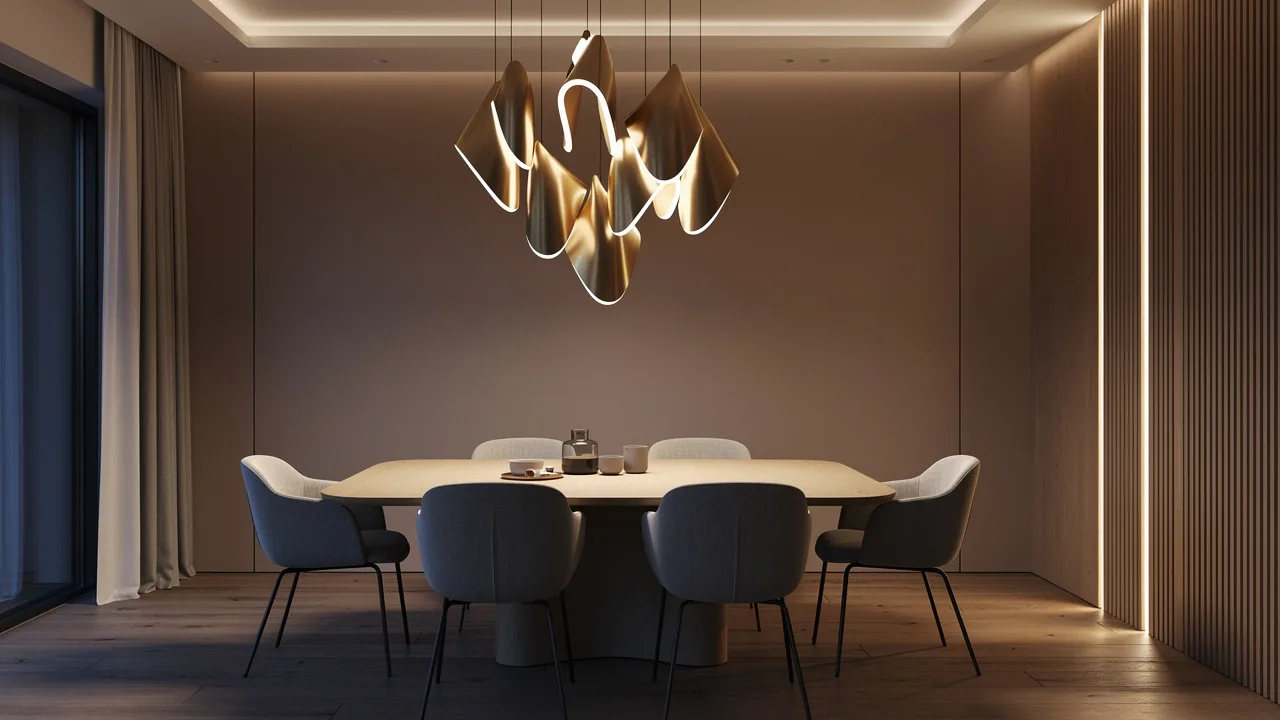
Lofts offer something rare in city homes: height. Statement lighting is one of the best ways to make that height sing. We treat lights as a design layer that shapes how the entire loft reads, both day and night.
In many projects we place a large sculptural pendant above the main seating group or dining table. It anchors the room, draws the eye upward, and works as both light source and art. Over kitchen islands or long work tables, slim linear fixtures provide even light and a clean, modern profile.
Layered lighting is essential in tall spaces:
Ambient – warm recessed LEDs for a soft overall glow
Task – under-cabinet strips, desk lamps, and mirror lights where focused light is needed
Accent – spotlights or floor uplights to highlight fluted panels, art, or textured finishes
Smart controls tie everything together. Pre-set scenes shift the loft from “morning focus” to “dinner mood” or “movie time” with a single tap. We design lighting plans early so wiring, niches, and ceiling details support a crisp, considered look.
Maximizing Natural Light and Wellness in Your Loft Sanctuary
Natural light is one of a loft’s greatest gifts and a key pillar of wellness-focused design. In a dense city, a bright, airy interior provides visual relief and supports mood and sleep.
We keep windows as open as possible while handling glare and privacy. Sheer linen curtains or light-filtering blinds soften the sun and protect finishes, while hidden blackout layers in bedrooms or media areas give full darkness when needed. This layered approach allows flexible control without heavy drapes.
To draw light deeper into the loft, we often place large mirrors opposite or beside windows and keep walls and ceilings in light tones. Subtle touches of brass or soft gold on fixtures catch and reflect light, keeping the atmosphere bright. During planning, we study how sun moves through the unit, then position study nooks, glass balustrades, and storage so they work with, not against, natural light.
Integrating Biophilic Design for Urban Wellness
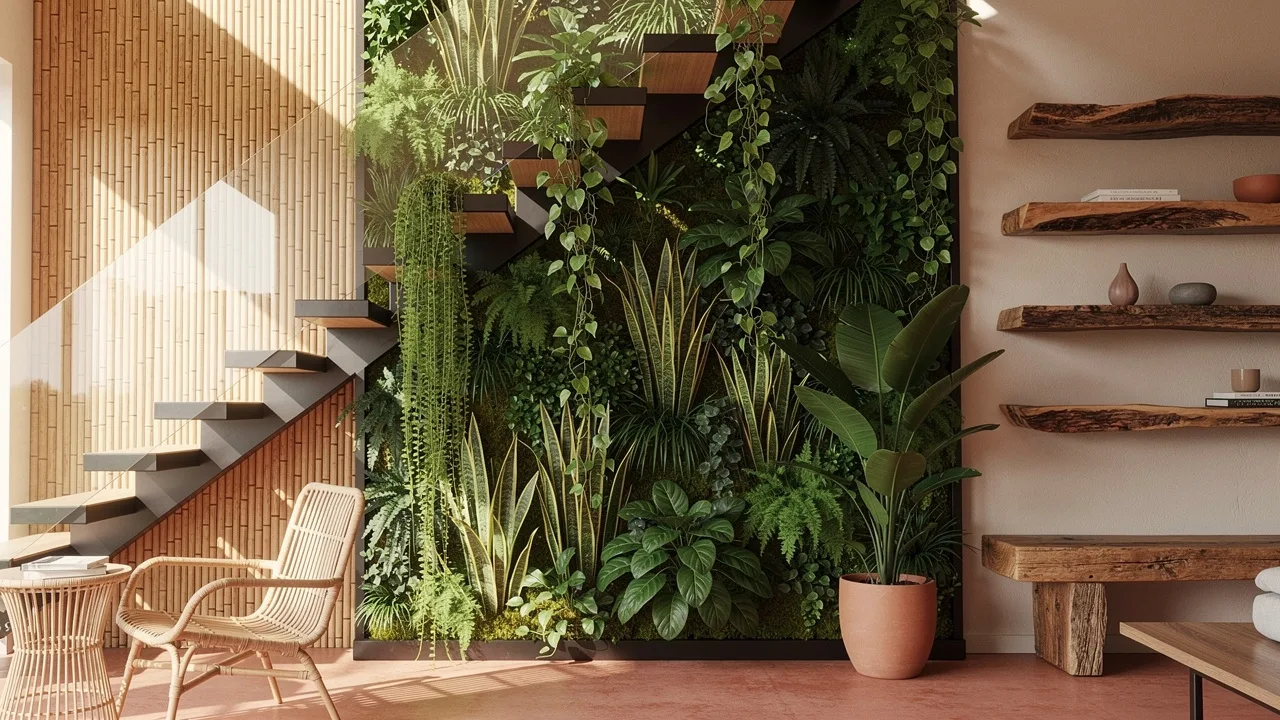
Biophilic design weaves natural elements into the home in a deliberate way, and it suits Singapore lofts especially well. With concrete towers outside, greenery and natural textures inside can turn a loft into a calm, elevated oasis.
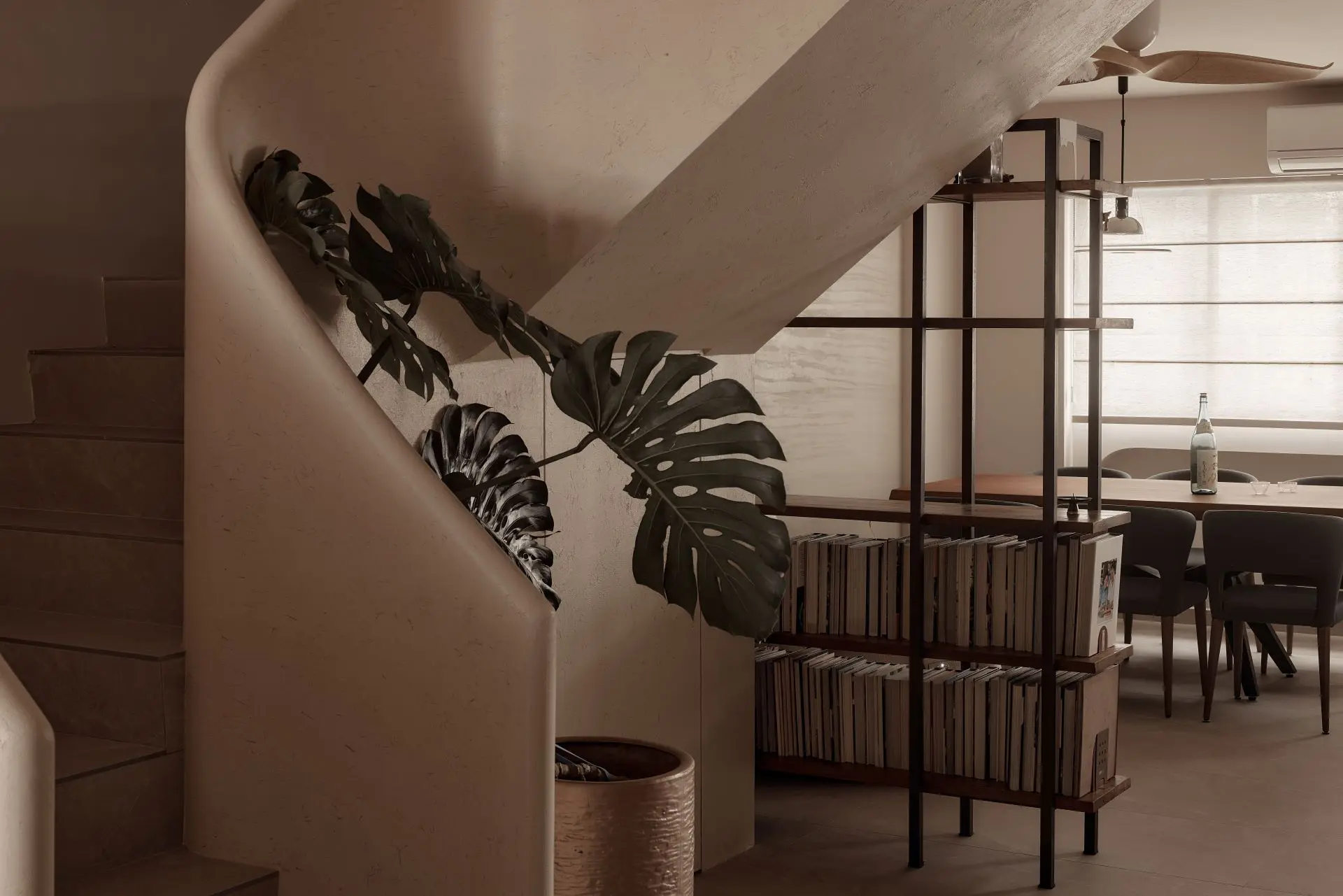
Double-height walls are perfect backdrops for living green installations. We may add a vertical garden beside the staircase, at the end of a corridor, or near the dining area. With proper irrigation and lighting, these plant walls clean the air and form a striking focal point. In bright corners, statement indoor trees such as fiddle leaf figs or rubber plants thrive and celebrate the loft’s scale.
Not every client has time for high-care greenery, so we often choose hardy plants like snake plants, pothos, and ZZ plants. To support the green theme, we pair them with rattan, bamboo, stone, and reclaimed timber in furniture and fixtures. Planned from the start, plant placement and drainage stay practical, and greenery remains a joy, not a chore.
“If you have a garden and a library, you have everything you need.” — Marcus Tullius Cicero
Essential Furniture Selection: Curves, Comfort, and Contemporary Forms
Furniture can either support loft luxury or fight against it. For 2026, the focus leans toward curved and organic forms that soften space and encourage easy movement. In open plans, these shapes guide the eye and body in a gentle flow, which feels more relaxed than stiff rows of sharp-edged pieces.
We often ground the living area with a sweeping sectional sofa that follows a soft curve or rounded corner. Rounded coffee tables and oval dining tables continue this language, easing circulation and reducing harsh lines under high ceilings. Comfort remains central, so we work with plush fabrics such as boucle, velvet, or fine leather, depending on lifestyle and care needs.
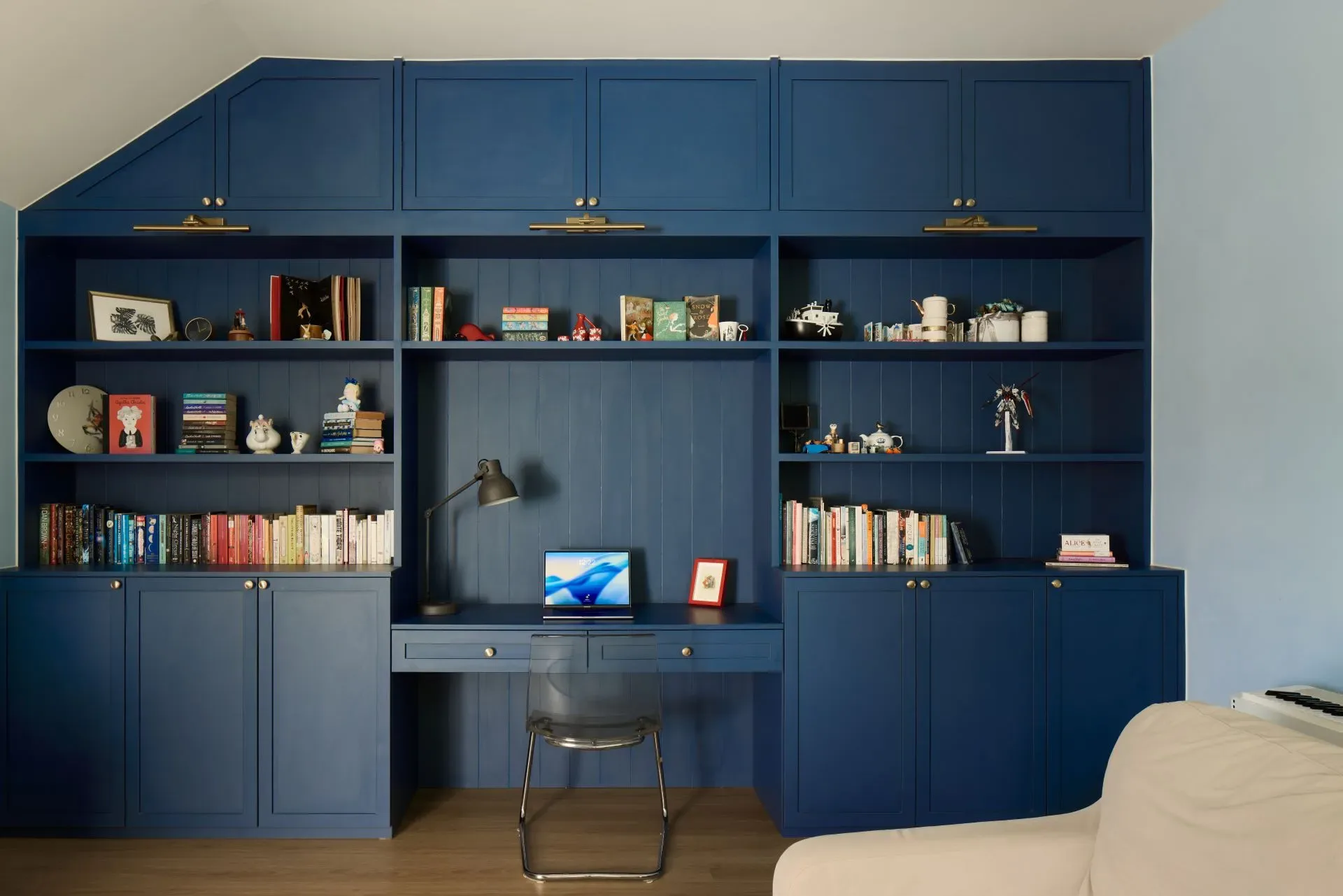
Some straight, angular elements in shelves or built-ins add contrast so rooms do not feel overly soft. Scale matters too: undersized furniture looks lost in tall volumes, so we pick or custom-build pieces that match the loft’s height without crowding it. Through our supplier network and custom upholstery at IS Design Studio, we align fabrics, finishes, and proportions with each project.
Incorporating Japandi Style for Timeless Loft Tranquility
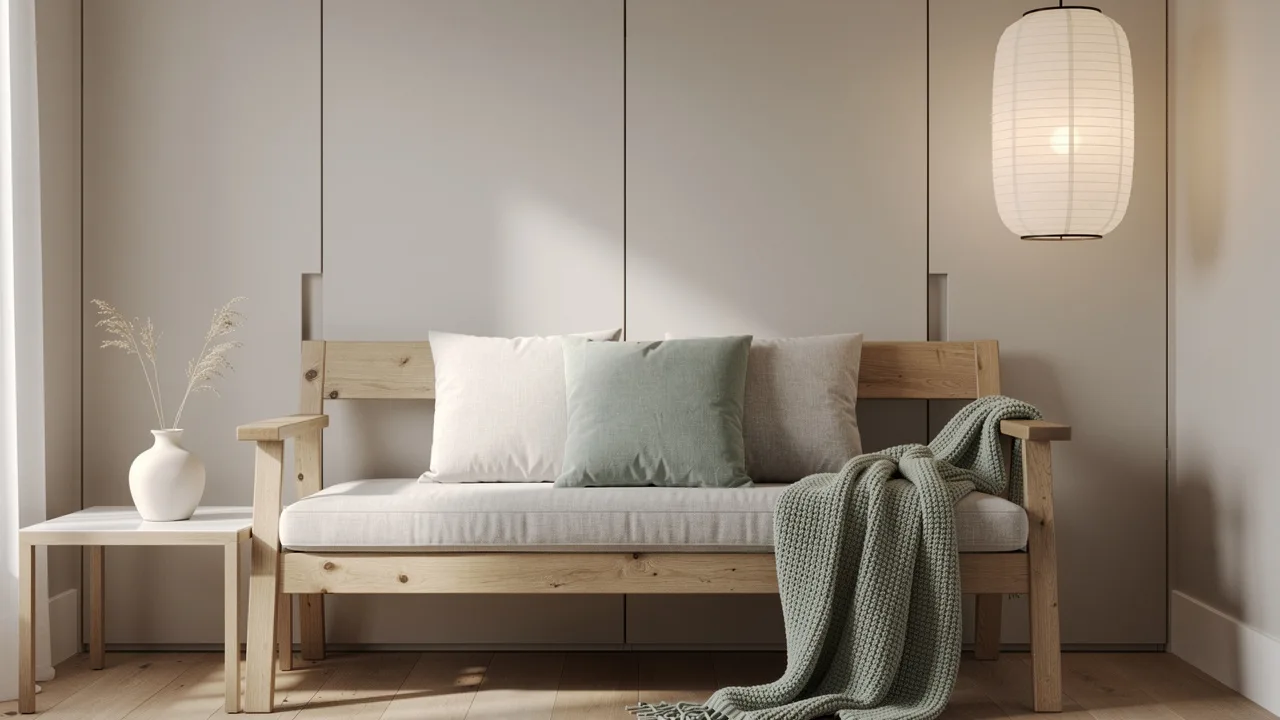
Japandi style blends Japanese wabi-sabi with Scandinavian hygge, creating a calm, grounded look that suits Singapore lofts beautifully. Wabi-sabi accepts natural marks and small flaws as part of beauty, while hygge values warmth, comfort, and simple pleasure at home.
In practice, a Japandi-influenced loft leans on:
Light oak and natural wood tones
Soft neutrals with hints of muted sage or stone green
Low, clean-lined furniture in timber, linen, cotton, and stone
Paper or fabric lantern-style lights for a soft glow
This style favours quality over quantity. We encourage clients to choose a few well-crafted pieces with personal meaning, while clutter disappears into built-in storage. Visible grain, knots in timber, and woven textures all add quiet character.
Japandi aligns naturally with our approach at IS Design Studio. It provides a calm base we can later layer with art, heirloom items, or bolder colours in textiles without dating the space.
“Less is more.” — Ludwig Mies van der Rohe
What Technology Integration Means for Modern Loft Luxury
Modern loft luxury is about what you feel as much as what you see. Quiet, reliable technology supports comfort and convenience without taking over the room.
Smart lighting is often the starting point. Systems that adjust colour temperature through the day support focus in the morning and relaxation at night. App or voice control lets residents adjust brightness and scenes from the sofa, office, or while travelling. Automated blinds can respond to time of day or sunlight levels, helping manage heat gain in double-height spaces.
Climate control also benefits from smart integration. Zoning allows bedrooms to cool at night while less-used areas remain at moderate settings. Sensors and controllers help reduce wasted energy. We often add built-in wireless charging, flush-mounted smart switches, and smart mirrors in bathrooms or dressing areas. During design, we prepare detailed electrical plans so these features sit neatly inside walls and carpentry, keeping the loft visually calm and cable-free.
Why Sustainable Materials Define Modern Luxury
Sustainability has shifted from a side topic to a core expectation for high-end homes in Singapore. For us, modern luxury means respecting both the environment and the health of the people living inside.
Flooring is a good example. We frequently propose bamboo or well-sourced hardwood from FSC-certified forests. Bamboo renews quickly, suits the climate, and offers natural resistance to moisture and microbes. For built-in carpentry, we prefer formaldehyde-free boards rated at E0 level to reduce indoor off-gassing.
Finishes matter as well. Low-VOC paints, sealants, and adhesives cut down on strong smells and long-term chemical exposure. For counters and feature surfaces, recycled-content quartz or glass terrazzo provide a refined look with more responsible production. Where possible, we look for products with Green Label Singapore (SGLS) or similar certifications.
Energy and water efficiency complete the picture. Full LED lighting, energy-saving appliances, and fittings such as low-flow taps and dual-flush toilets reduce bills without sacrificing comfort.
How IS Design Studio Approaches Personalized Loft Conversions
Every loft we handle starts with the people who will live there. As both a leading interior design studio and “The Loft Builder”, IS Design Studio balances creative vision with technical know-how from the first meeting.
Our process typically includes:
In-depth consultation about lifestyle, work patterns, hobbies, and long-term plans
On-site study of light, structure, and surroundings to spot both limitations and opportunities
Concept and space planning that link layout, colours, materials, and mood into one clear story
Detail design and custom carpentry, from staircases and wardrobes to study nooks and feature walls
Project management and styling, guiding the build, monitoring quality, and refining the final look
Singapore’s loft types range from HDB maisonettes and executive apartments to penthouses and shophouses, each with its own rules. Our team understands approval processes, load limits, and fire and access requirements. Designers, technical draftsmen, project managers, and carpenters work as one team so structure, lighting, storage, and furniture all support each other.
Common Loft Conversion Challenges and Our Solutions
Loft conversions offer drama and openness, but they also bring recurring challenges. Over years as “The Loft Builder” in Singapore, we have developed clear ways to handle them.
Sound
High ceilings and hard surfaces can cause echo and noise travel. We soften this with large rugs, upholstered seating, layered curtains, fluted panels, and acoustic treatments around work zones.Temperature control
Warm air gathers near the ceiling. We use a mix of smart air-conditioning zoning, ceiling fans, and proper window coverings. Light-coloured finishes and thermal window films (where allowed) also help control heat.Storage and stairs
Storage must stay generous without cluttering views. We build it under stairs, along mezzanine edges, and within platforms or window seats, keeping fronts simple. Staircases are carefully shaped for safety, comfort, and visual lightness.Building rules, budget, and timeline
Renovating in occupied buildings demands planning around noise hours, lift bookings, and approvals such as HDB submissions or condo checks. We discuss realistic time frames and guide clients on where higher spending creates the most impact.
Clear communication from the start keeps loft projects smoother for everyone involved.
Conclusion
A luxury loft conversion in Singapore in 2026 is far more than a new coat of paint and an extra platform level. When handled with care, it turns a tall, underused shell into a refined, light-filled home that reflects the owner’s taste and supports flexible, modern living. Warm luxury, soft minimalism, natural light, greenery, and quiet technology all work together to create a sanctuary above the city.
We believe this kind of loft calls for experience beyond standard interior work. As both an interior design studio and “The Loft Builder”, IS Design Studio brings focused knowledge of vertical space, local regulations, and fine detailing. Our client-first process honours each person’s habits and story, while our technical team manages the many moving parts behind the scenes.
If you are considering a loft conversion, the next step is a thoughtful conversation about how life could feel in that space. With the right guidance, any loft can move from empty volume to a modern sanctuary that offers calm, comfort, and lasting value in the middle of Singapore’s busy city.
FAQs
Question 1: What Is the Typical Timeline for a Luxury Loft Conversion in Singapore?
Most luxury loft conversions take three to six months from first concept to final styling. Design usually runs four to six weeks, followed by two to four weeks for approvals where required. On-site works often span eight to twelve weeks, depending on structural changes and custom carpentry. At IS Design Studio, we plan carefully at the start to keep the schedule steady.
Question 2: How Much Does a Luxury Loft Conversion Typically Cost in Singapore?
Budgets vary, but many luxury loft projects fall between SGD 80,000 and 200,000 or more. Main cost drivers include material quality, the amount of custom carpentry, smart systems, and any structural work such as mezzanines or new staircases. Our team prepares clear quotations and helps clients decide where higher spending has the most impact. A direct consultation is the best way to assess cost for a specific loft.
Question 3: Can HDB Maisonettes Be Converted Into Luxury Lofts?
Yes. HDB maisonettes, especially those with double-height living areas, can make excellent loft-style homes. However, there are strict rules around structural changes, floor loading, and façade treatment, so not every idea is possible. IS Design Studio is familiar with these guidelines and works with registered contractors and engineers where needed to propose designs that respect regulations while still delivering a refined loft feel.
Question 4: What Makes IS Design Studio Different From Other Interior Design Firms for Loft Projects?
IS Design Studio stands out through our focus on lofts and our identity as “The Loft Builder”. We combine design creativity with deep technical knowledge of vertical spaces, high ceilings, and Singapore-specific regulations. Our approach is personal and collaborative from early layout sketches to final styling, and because we manage both design and build, we deliver loft homes that feel coherent, refined, and comfortable for many years.
Question 5: How Do You Maximize Space in a Loft Conversion While Maintaining Luxury Aesthetics?
We start with clear zoning and circulation so every part of the loft has a purpose and movement feels natural. Multi-use furniture and custom carpentry with hidden storage add function without clutter. Vertical storage, mirrors, and light colour palettes broaden the sense of space. With careful planning, efficiency and luxury support each other rather than compete.
Question 6: What Sustainable and Eco-Friendly Options Are Available for Luxury Loft Conversions?
There are many eco-conscious options that still feel high-end. We often suggest bamboo or FSC-certified timber flooring, formaldehyde-free carpentry boards, and low-VOC paints for healthier air. Energy-efficient LED lighting, smart climate control, and water-saving taps and toilets reduce resource use over time. Products with Green Label Singapore certification offer added assurance. At IS Design Studio, these choices form part of our standard design process.