IS Design Portfolio

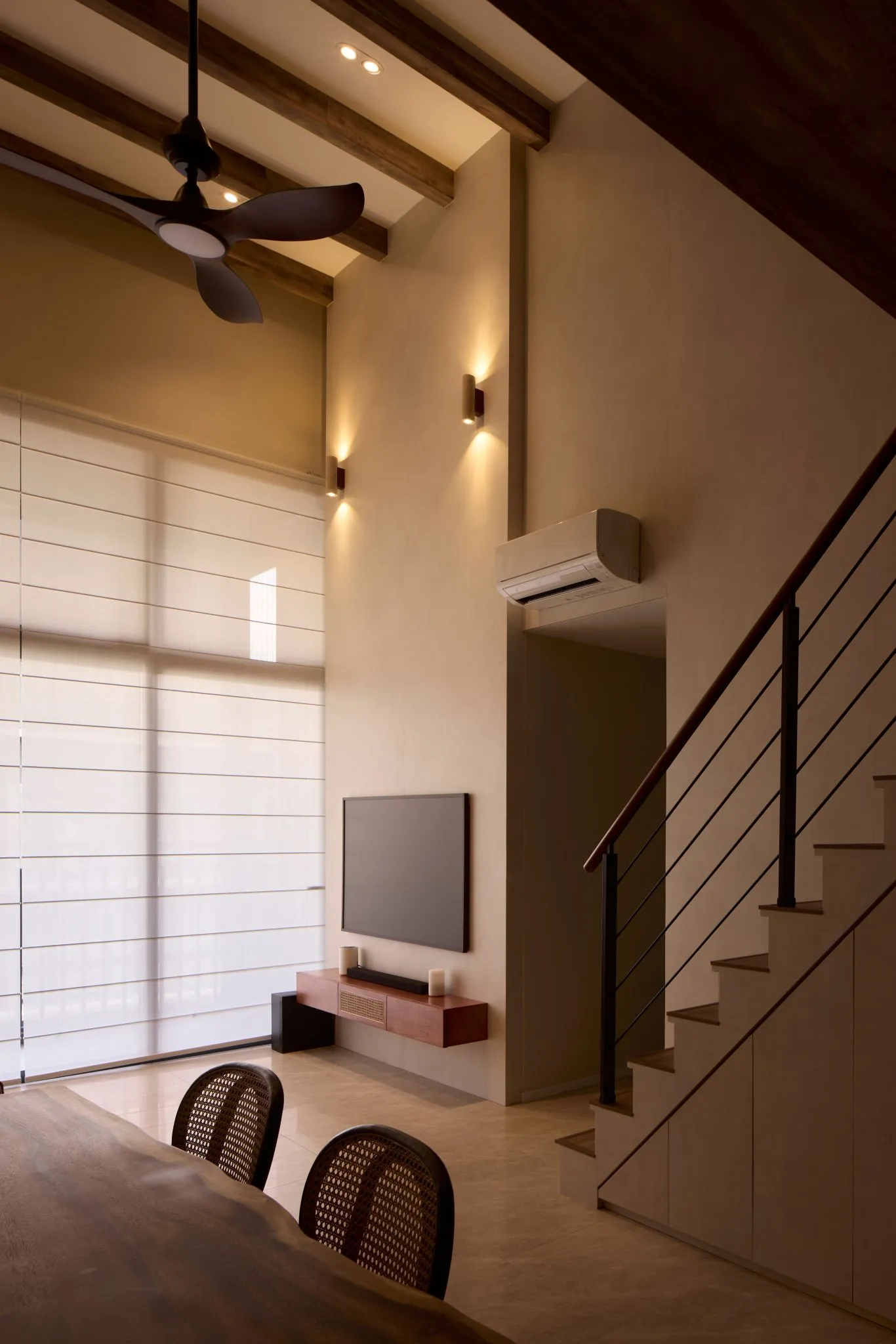


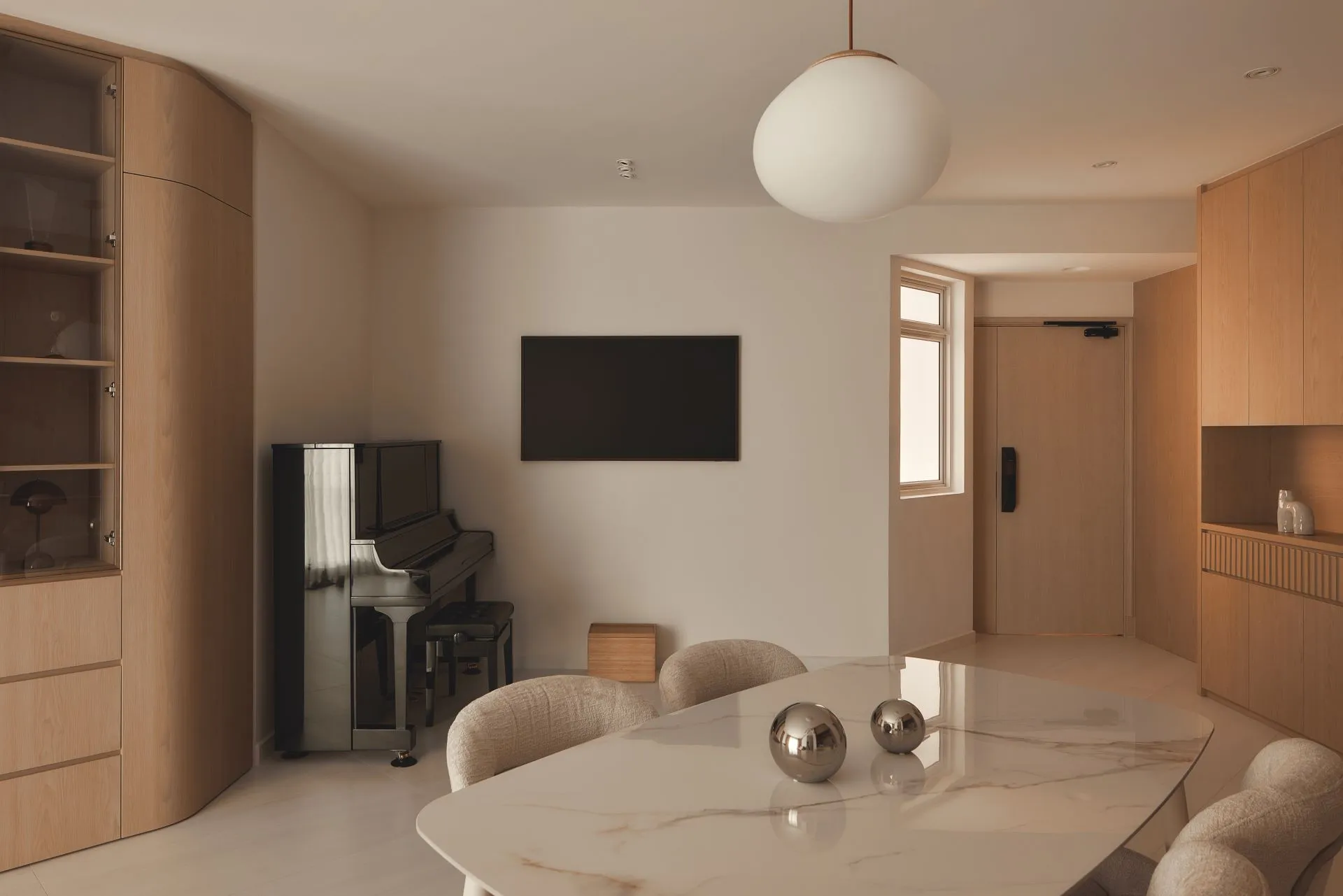
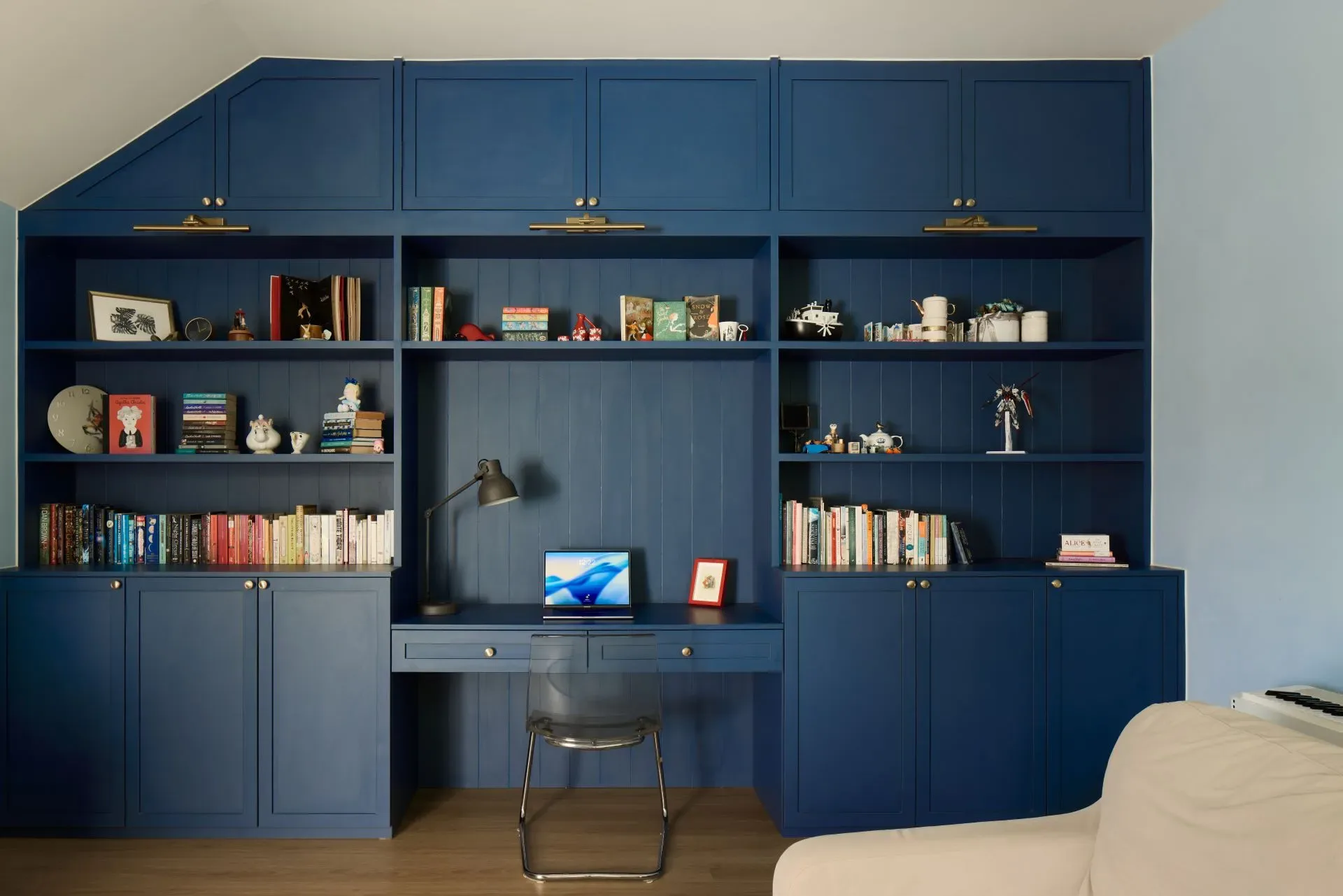
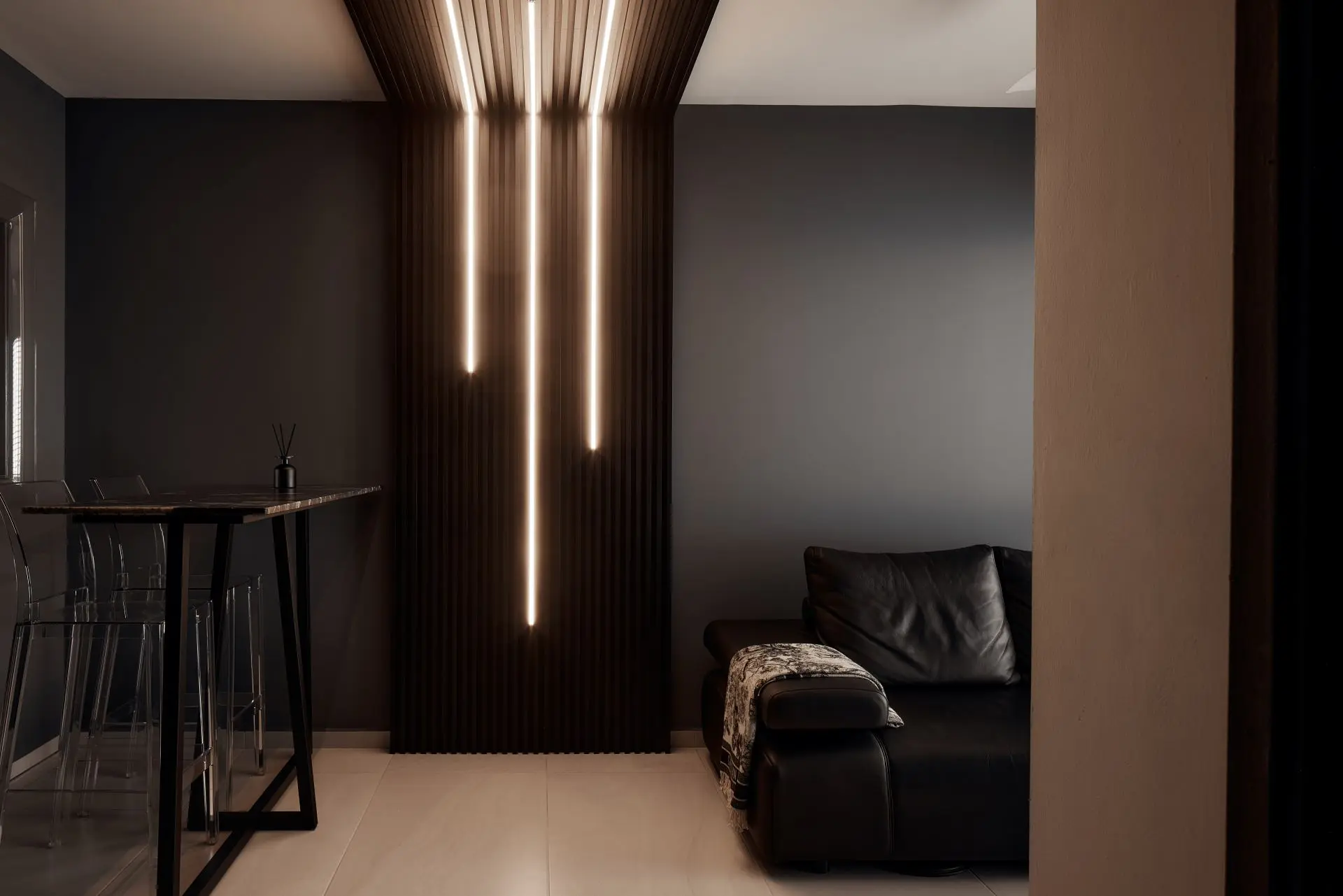
What separates a design-led interior design firm from a package seller in Singapore — the questions worth asking, real completed projects to judge by, and how IS Design Studio approaches every engagement.
If you have started searching for an interior design firm in Singapore, you already know the problem: there are hundreds of them, and almost every one promises the same things. The real question is not who has the glossiest showroom or the longest list of packages. It is who will listen closely enough to design a home around the way you actually live — and who will still be accountable long after the keys are handed over.
This guide walks through how to choose a Singapore interior design company with confidence: what genuinely separates a good firm from an average one, the questions worth asking before you sign, and how to read past the marketing to the things that matter. A renovation project is one of the biggest investments most homeowners make, so it is worth taking the shortlist seriously before you commit.
Finding an interior designer in Singapore, or a Singapore interior design firm more broadly, usually starts the same way: searching “interior design singapore” and comparing homepages that all look reassuringly similar. Choosing the right interior design company in Singapore in 2026 is less about which interior design companies advertise the loudest, and more about which reliable interior design firm actually listens to your needs — residential or commercial interior design, home or office. Whether you are consulting an interior designer for a single room or engaging an interior design firm for a full home renovation, the goal is the same: to find suitable interior design expertise for your exact brief, not a generic package.
It is tempting to begin with images — a saved folder of interiors you love. That is useful, but it is not the starting point. The best design conversations begin with your life: how many people share the home, how you cook and host, where you work, how much storage you honestly need, and which rooms carry the most meaning for you.
A thoughtful designer will ask about these things before they ever mention finishes. If a firm jumps straight to a fixed package or a price per room without understanding your household, that tells you something about how the whole project will run. Thoughtful space planning always begins with the people who will live in the space, not the other way round.
In Singapore, any firm carrying out HDB works should hold a valid HDB renovation licence, and should handle the necessary approvals and permits on your behalf — Housing and Development Board, and where relevant BCA or management-corporation submissions. Ask for the licence number and check it. A firm that manages compliance properly protects you from delays, rejected works, and costly rectification later. (For reference, IS Design Studio holds HDB licence HB-12-6290F.)
An HDB flat, a condominium, and a landed home each ask for a different design intelligence — different constraints, ceiling heights, and approval requirements. Look for a firm with real, completed projects in your property type, not just a rendering.
At IS Design Studio, that means work like Dunearn Road for a condominium, Kim Keat Avenue for an HDB executive maisonette, 26 Meragi Close for a landed home, and Yi Sheng for a commercial workplace. Browse our condo interior design, HDB, landed home, and commercial projects, and pay attention to whether the completed projects feel considered and liveable rather than merely photogenic.
There is a real difference between a firm that sells renovation packages and one that practises design. The first fits your home to a template; the second shapes the home around you — how light moves through the rooms, how vertical and high-ceiling space is used, how a single detail can quietly lift an entire room. Modern luxury is rarely about spending more. It is about spending with intent, on the things you touch and see every day.
Good design is not about chasing design trends for their own sake. It is design skills applied with judgement — knowing when a trend suits your home and interior design needs, and when it does not.
It is easier to explain design-led thinking with real examples than with adjectives. A few from our own completed projects:
None of these projects used the same layout twice, because none of these homeowners or businesses had the same brief. That is the difference a genuinely design-led interior design firm should be able to show you in its own completed projects, not just describe.
A first meeting is as much about the designer reading you as you reading them. A few questions cut through the noise quickly:
The answers matter, but so does the manner. You are choosing someone you will work with closely for months. Responsive, honest communication at the enquiry stage is usually a fair preview of the whole renovation journey.
Choosing an interior designer, or choosing the right interior designer for a specific brief, rarely comes down to one factor. Many firms in Singapore can produce decent design ideas and a workable home design; fewer can turn interior design solutions into a home renovation Singapore homeowners are still happy with five years later. If a shortlist of singapore interior designers all seem to listen to your needs and work within budget, choose the one whose interior designers offer proof — real interior design in singapore projects you can see, not just a proposal.
Price is the easiest thing to compare and the most misleading. The lowest quotation often omits the details that make a home feel resolved, while the highest is not automatically the most considered. What you are really assessing is value: the quality of thinking, the standard of finish, and the reliability of the design team behind the number.
Ask for a clear scope and a realistic timeline before comparing figures — our renovation cost guide explains what drives the numbers. A well-run project is planned in phases, with sensible checkpoints and honest conversations about lead times for materials and carpentry. A firm confident in its craft will explain where your budget goes and why — and will tell you plainly when something is not worth the spend.
Known as The Loft Builder, IS Design Studio designs modern luxury homes and high-ceiling spaces across Singapore — personal sanctuaries shaped around each client rather than fitted to a package. Every engagement begins with a proper site assessment before any proposal is written, so the design responds to your real home and the way you use it. Because we run our own fabrication factory, the carpentry our clients approve at the design stage is what actually gets built — not a subcontracted approximation of it. Communication stays direct and responsive throughout, and our accountability does not end at handover — defect rectification is part of how we work. Our interior design services cover both living spaces and office design — residential and commercial interior design under one professional interior designer-led process, from initial concept through the full renovation process to handover.
That approach is reflected in a 5.0 rating across 35 Google reviews from homeowners who wanted a dream home that feels calm, personal, and quietly luxurious. If that is the kind of home you are looking for, the next step is simply a conversation. Our goal, every time, is to help you create your dream home — not settle for one.
Choosing the right interior design firm in Singapore comes down to fit, honesty, and design intelligence — not the loudest promise, and not necessarily the firm with the biggest advertising budget. When you are ready to see how your own home could feel, we would love to hear about it.
In 2026, homeowners in Singapore have more interior design companies to compare than ever, but the fundamentals of choosing the right interior design firm have not changed: experience in the industry, a design process you can see evidence of in real interior design projects, and strong attention to detail in the finishing.
Book a Design Consultation — or view our full portfolio to see how we shape homes and offices around the way people actually live and work.